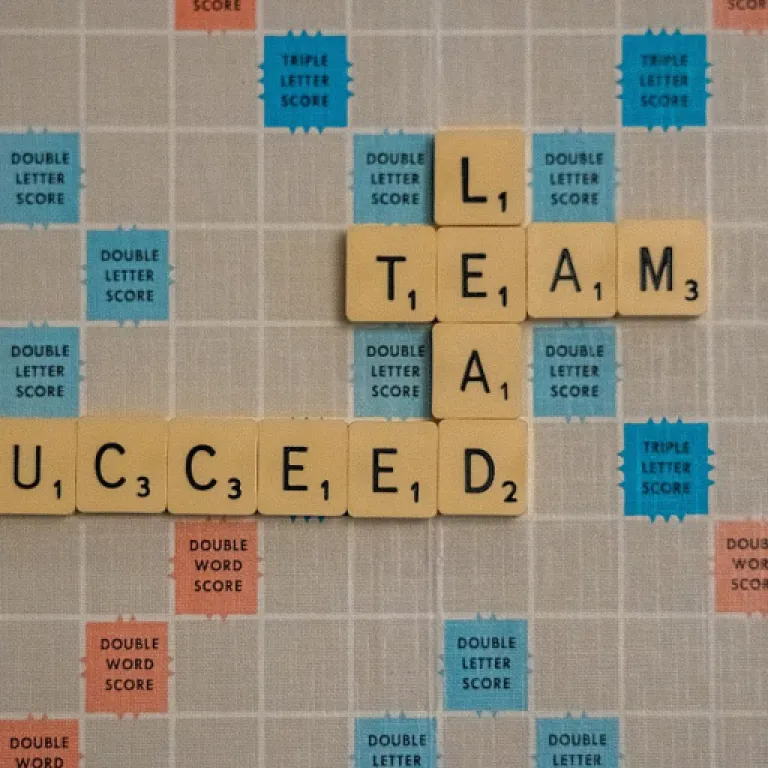
Understanding diversity in the workplace
What does diversity mean in today’s workplace?
Diversity in the workplace refers to the presence of differences among employees in a company. These differences can be visible or invisible, and they go beyond just race or gender. Today, organizations recognize that diversity includes a wide range of characteristics, such as cultural background, gender identity, age, disability, religious beliefs, sexual orientation, socioeconomic status, marital status, and more. This broader understanding helps companies create a more inclusive workplace where all individuals feel valued and respected.
Why does diversity matter for organizations?
Workplace diversity is not just a buzzword. It brings real benefits to organizations and employees alike. When companies embrace diversity and inclusion, they open the door to new perspectives, better problem solving, and increased creativity. Diverse teams are often more innovative, as they draw from a wider range of experiences and ideas. This can lead to better decision making and improved business outcomes. Moreover, employees feel more engaged and motivated when they see that their unique backgrounds and identities are recognized and appreciated.
- Cultural diversity helps organizations understand global markets and connect with a broader customer base.
- Gender diversity and gender identity inclusion can lead to more balanced leadership and fairer workplace practices.
- Disability diversity ensures that all employees, regardless of ability, have equal opportunities to contribute.
- Socioeconomic status diversity brings different life experiences and viewpoints to the table.
- Religious diversity and marital status inclusion foster a respectful and supportive culture.
Building an inclusive workplace culture
Creating an inclusive workplace is about more than just hiring people from different backgrounds. It’s about making sure everyone feels safe, respected, and empowered to share their ideas. Inclusive practices help organizations tap into the full potential of their workforce. This means actively listening to employees, encouraging open communication, and addressing any barriers to inclusion. When companies focus on diversity and inclusion, they build a stronger, more resilient culture that benefits everyone.
For more insights on how employee feedback shapes a positive workplace, check out this article on shaping a positive workplace through employee feedback.
Types of diversity you might encounter at work
Recognizing the Many Faces of Diversity at Work
Diversity in the workplace refers to the presence of differences among employees across a range of characteristics. These differences go far beyond what we see on the surface. When organizations talk about building an inclusive workplace, they are not just focusing on one aspect, but embracing a broad spectrum of diversity types. Understanding these helps companies create practices that make all employees feel valued and included.
- Cultural diversity: Employees come from various cultural backgrounds, bringing unique perspectives, traditions, and ways of problem solving. This enriches the workplace culture and can drive innovation.
- Gender diversity and gender identity: Gender inclusion means recognizing and supporting all gender identities, not just the traditional binary. Companies with strong gender diversity often see better collaboration and decision-making.
- Racial diversity: Having employees from different racial and ethnic backgrounds helps organizations understand and serve a wider range of customers and communities.
- Religious diversity: Employees may practice different religions or none at all. Respecting religious diversity includes accommodating holidays, dietary needs, and prayer times, which contributes to an inclusive culture.
- Age diversity: Teams made up of people from different age groups benefit from a mix of experience and fresh ideas. Age inclusion also helps organizations adapt to changing markets.
- Socioeconomic status diversity: Employees come from different economic backgrounds. Recognizing this helps companies create fairer policies, such as flexible benefits or support for professional development.
- Disability diversity: Individuals with visible or invisible disabilities bring valuable skills and perspectives. Inclusive practices, like accessible workspaces and adaptive technologies, are essential for supporting all employees.
- Sexual orientation and marital status: An inclusive workplace respects all sexual orientations and family structures, ensuring equal opportunities and benefits for everyone.
These types of diversity are not just boxes to check. They shape how employees interact, how organizations solve problems, and how inclusive the overall culture feels. For a deeper dive into how workplace speakers can influence employee feedback and engagement, check out this resource on workplace speakers and feedback.
Recognizing the many forms of diversity is the first step. The next challenge is understanding how employee feedback brings these differences to light and helps organizations address them effectively.
How employee feedback highlights diversity challenges
How feedback reveals hidden barriers to inclusion
Employee feedback is a powerful tool for uncovering the real challenges that come with diversity in the workplace. When organizations actively listen to their employees, they often discover issues that might not be visible on the surface. For example, feedback can highlight how cultural differences or language barriers affect team communication, or how certain practices unintentionally exclude people from different religious backgrounds or with disabilities.
Feedback also brings to light the subtle ways in which workplace diversity can be hindered. Employees may share experiences related to:
- Unconscious bias in hiring or promotion decisions, affecting gender diversity and racial diversity
- Socioeconomic status influencing access to development opportunities
- Work schedules that don’t accommodate religious diversity or family needs
- Microaggressions or lack of respect for different gender identities or sexual orientation
- Physical spaces that are not accessible, impacting disability diversity
By collecting honest feedback, companies can better understand the types of diversity present in their teams, including age, marital status, and job roles. This insight helps organizations identify where their diversity and inclusion practices may fall short and where employees feel excluded or undervalued.
Feedback as a driver for change in workplace culture
When employees feel safe to share their perspectives, organizations can use this information to create a more inclusive workplace. For instance, regular feedback sessions can reveal patterns of exclusion or highlight the need for more inclusive policies. This process not only supports diversity inclusion but also encourages problem solving by involving individuals from all backgrounds in shaping company culture.
Real-life examples show that when companies act on feedback, they can address issues like status diversity, improve gender diversity, and foster a culture where everyone feels valued. Open feedback channels allow people to express concerns about cultural diversity, religious practices, or socioeconomic challenges, leading to practical solutions and a stronger sense of belonging.
For organizations looking to support employees facing personal challenges that may impact their work, such as mental health concerns, practical guidance can be found in resources like supporting your partner through depression. This kind of support is essential for building an inclusive and empathetic workplace culture.
Examples of companies using feedback to improve diversity
Real-World Companies Transforming Diversity Through Employee Feedback
Organizations across industries are recognizing that diversity in the workplace is not just a box to check, but a dynamic process shaped by ongoing employee feedback. When employees feel empowered to share their perspectives, companies can address challenges related to cultural, gender, racial, and other types of diversity. Here are some real-life examples of how feedback mechanisms have driven meaningful change:- Tech companies addressing gender and racial diversity: Several leading technology firms have implemented regular pulse surveys and anonymous feedback tools to uncover gaps in gender diversity and racial inclusion. By analyzing employee responses, these organizations identified issues such as lack of representation in leadership and unconscious bias in hiring practices. As a result, they introduced targeted mentorship programs and transparent promotion criteria, leading to a more inclusive workplace culture.
- Retailers focusing on cultural and religious inclusion: Large retail chains have used employee feedback to better understand the needs of individuals from diverse cultural and religious backgrounds. For example, feedback highlighted the importance of flexible scheduling for religious observances and the need for inclusive holiday celebrations. These insights led to updated policies and training sessions that respect and celebrate diversity in the workplace.
- Financial organizations tackling age and socioeconomic status diversity: Financial institutions have leveraged feedback channels to address challenges faced by employees of different ages and socioeconomic backgrounds. Feedback revealed barriers to advancement for younger employees and those from less privileged backgrounds. In response, these companies launched internal mobility programs and financial wellness initiatives, fostering a more equitable and supportive environment.
- Manufacturing firms promoting disability and status diversity: Feedback from employees with disabilities or varying marital statuses has prompted manufacturing companies to improve accessibility and offer more flexible work arrangements. This has not only enhanced job satisfaction but also contributed to better problem solving and innovation within teams.
Practical ways to encourage diverse voices through feedback
Creating Space for Every Voice
Encouraging diverse voices through employee feedback is essential for building an inclusive workplace. When organizations actively listen to employees from different backgrounds, they foster a culture where everyone feels valued, regardless of their gender, age, cultural background, religious beliefs, disability status, or socioeconomic status. Here are some practical ways companies can ensure all individuals have the opportunity to share their perspectives:
- Anonymous Feedback Channels: Offering anonymous surveys or suggestion boxes allows employees to express concerns about diversity and inclusion without fear of retaliation. This is especially important for sensitive topics related to gender identity, sexual orientation, or religious diversity.
- Regular Listening Sessions: Hosting open forums or focus groups gives employees from various backgrounds a platform to discuss workplace diversity challenges and propose solutions. These sessions should be facilitated by trained moderators to ensure respectful dialogue and equal participation.
- Inclusive Feedback Tools: Use digital platforms that support multiple languages and accessibility features. This ensures employees with disabilities or those from different cultural backgrounds can participate fully in feedback processes.
- Leadership Involvement: When leaders openly support diversity and inclusion initiatives, employees feel more comfortable sharing their experiences. Leadership should model inclusive practices and respond constructively to feedback.
- Feedback Training: Educate managers and employees on how to give and receive feedback in a way that respects diversity. Training can address unconscious bias, cultural differences, and the value of diverse perspectives in problem solving.
Embedding Feedback in Everyday Practices
To make feedback a natural part of the workplace culture, organizations should integrate it into daily routines. For example, regular check-ins, team meetings, and performance reviews can all include questions about diversity and inclusion. This approach helps identify patterns related to racial diversity, gender diversity, or disability diversity, and ensures that feedback is not a one-time event but an ongoing conversation.
Companies can also highlight examples of diversity in action by celebrating cultural events, recognizing achievements related to diversity inclusion, and sharing stories of how employee feedback has led to positive change. These practices reinforce the message that every employee’s voice matters and contribute to a more inclusive and dynamic workplace.
Measuring the impact of diversity initiatives through feedback
Tracking Progress with Data and Stories
Measuring the impact of diversity initiatives in the workplace is crucial for organizations aiming to create a truly inclusive environment. Companies often use a mix of quantitative and qualitative methods to understand how their diversity and inclusion practices are working.- Surveys and Pulse Checks: Regular employee feedback surveys help organizations gauge how employees feel about diversity, inclusion, and the overall workplace culture. These surveys can cover topics like gender diversity, racial diversity, disability diversity, and more.
- Focus Groups: Bringing together individuals from different backgrounds—such as various age groups, cultural backgrounds, or socioeconomic statuses—can reveal unique perspectives on inclusion and highlight areas for improvement.
- Turnover and Promotion Data: Tracking metrics such as the rate at which diverse employees are promoted or leave the company can signal whether diversity initiatives are making a difference in the workplace.
- Storytelling: Collecting stories from employees about their experiences with diversity and inclusion can provide context to the numbers, showing how practices affect real people in the organization.
Key Metrics for Diversity and Inclusion
| Metric | What It Shows |
|---|---|
| Representation | Breakdown of employees by gender, race, age, disability, sexual orientation, and other types of diversity |
| Inclusion Index | How included and valued employees feel in the workplace |
| Engagement Scores | Level of employee engagement across different diversity groups |
| Retention Rates | How long employees from diverse backgrounds stay with the company |
| Promotion Rates | Advancement opportunities for individuals from underrepresented groups |
